The Berry of Nourishment: A Longevity Expert's Guide to Mulberry Fruit (상심/오디)

December 3, 2025

While many berries are celebrated for their Vitamin C, the Mulberry fruit, known in Traditional Chinese Medicine (TCM) as Sang Shen (桑椹), is revered for a deeper, more profound quality: its ability to nourish the body’s fundamental essence and blood. As a longevity expert, I recognize this sweet, dark fruit as a powerhouse for supporting graceful aging, vitality, and blood health—a true traditional superfood.

Enriching the Core: The Nourishing Role of Sang Shen

Sang Shen is classified as sweet and cold, primarily targeting the Heart, Liver, and Kidney meridians. Its signature traditional functions are to nourish the Blood and Yin and moisten the intestines. This makes it an indispensable tonic for addressing symptoms related to deficiency, dryness, and lack of systemic nourishment.

Scientifically, Mulberry fruit is a nutritional superstar, rich in antioxidants, including high levels of anthocyanins (the pigment responsible for its deep purple color), Vitamin C, Iron, and resveratrol. Its unique combination of nutrients scientifically validates its use in promoting blood health and fighting oxidative damage.

The Science-Backed Benefits of Mulberry Fruit

Modern research supports the traditional reverence for Sang Shen, highlighting its role in vital systemic support:

  • Profound Blood and Yin Nourishment: This is its most significant benefit. Sang Shen works to enrich the Blood, helping to alleviate symptoms of blood deficiency such as mild dizziness, pallor, and fatigue. By nourishing the Yin (the cooling, moistening aspect of the body), it helps manage symptoms of dryness like thirst, dry skin, and mild insomnia, restoring overall internal balance.
  • Supporting Hair and Vision: In TCM, the Liver and Kidneys govern the health of the eyes and hair. By nourishing these organs, Sang Shen is traditionally consumed to help prevent premature graying and to improve tired or dry eyes—a benefit supported by its rich content of vision-supporting antioxidants.
  • Potent Antioxidant and Anti-aging Action: The high concentration of anthocyanins and resveratrol gives Sang Shen exceptional antioxidant power. These compounds combat free radicals, protecting cells from damage and supporting cardiovascular health, which aligns perfectly with its traditional role in promoting longevity.
  • Gentle Intestinal Support: The natural sugars and fiber in the fruit provide a gentle lubricating and moisturizing effect on the large intestine. This makes Sang Shen a mild, effective remedy for constipation related to dryness or old age.

Incorporating Sang Shen into Your Diet

Sang Shen is easily incorporated into your diet, especially when consumed in dried or processed forms:

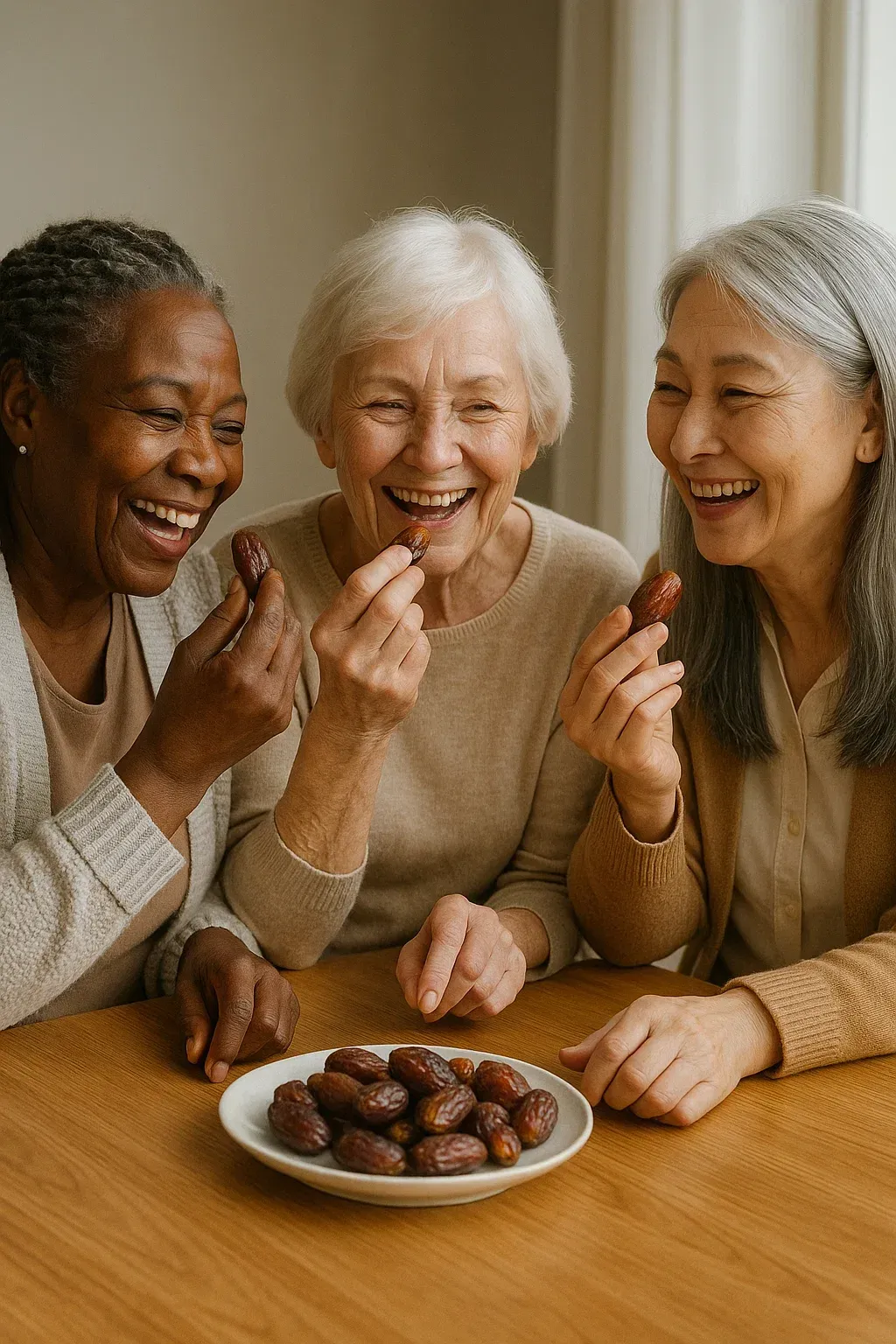
  • Dried Snack: Dried mulberry fruits make an excellent, chewy, and naturally sweet snack, often used instead of raisins.
  • Juices and Syrups: Sang Shen can be steeped or boiled to create a nourishing, flavorful syrup or juice, often mixed with water or used to sweeten teas.
  • Herbal Blends: It is frequently combined with other Yin-nourishing herbs (like Goji berries) in teas or tonic formulas.

Important Cautions: Due to its cold nature, individuals with chronic coldness in the stomach or chronic loose stools should consume Sang Shen in moderation. Diabetics should be mindful of the natural sugar content.

Mulberry Fruit is a timeless remedy for deep nourishment. By integrating Sang Shen into your daily routine, you are choosing a delicious, natural path to support your vitality, blood health, and graceful aging.


- Dr. Chungmoo "John" Huh, DAcCHM, L.Ac, Dipl. OM -

By looka_production_177015429 December 9, 2025
Among the simplest and most common ingredients, some possess profound medicinal efficacy. That is the case with the Jujube fruit , or Da Zao (大枣) . More than just a source of sweetness, the Jujube is essential in Traditional Chinese Medicine (TCM) for tonifying the Spleen and Stomach , boosting Qi (Vital Energy) , and acting as a necessary harmonizer to mellow the effects of other herbs. As an integrative nutritionist, I recommend Jujube as an ideal "food-medicine" to help manage chronic fatigue, poor digestion, and emotional restlessness.
By looka_production_177015429 December 8, 2025
In Traditional Chinese Medicine (TCM), moisture is synonymous with life, lubrication, and sustained vitality. When the body's internal fluids are depleted—often due to chronic illness, aging, or environmental dryness—it requires a profound Yin tonic. The tuber of the Ophiopogon Japonicas plant, known as Mai Men Dong (麦门冬) , is revered as the premier herb for replenishing and sustaining this essential internal moisture. As a respiratory specialist with an integrative focus, I frequently recommend this root for soothing dry lungs and fortifying the body against systemic dryness.
By looka_production_177015429 November 24, 2025
In the array of traditional herbs, some plants possess a unique, deep warmth capable of penetrating and invigorating the body’s core energy. Mugwort , known in Traditional Chinese Medicine (TCM) as Ai Ye (艾叶) , is one such indispensable herb. It is revered not just for its medicinal tea but for its external application as well. As a women’s health specialist, I highlight Ai Ye for its exceptional ability to warm the channels, regulate menstruation, and promote systemic comfort.
November 10, 2025
While many herbs are tonics that build the body, others are essential for ensuring everything flows smoothly. The humble Radish , particularly its root and seeds, known in Traditional Chinese Medicine (TCM) as Luo Bo (萝卜) or Lai Fu Zi (莱菔子) for the seeds, is a prime example of a food-herb focused on regulating stagnation. As a dietitian, I frequently recommend incorporating this root for its exceptional ability to resolve food stagnation , aid digestion, and ensure metabolic efficiency.
By looka_production_177015429 November 5, 2025
While many herbs are used to cool and calm the body, some are prized for their warming, stimulating properties that restore energy and vitality—especially in the colder months or for conditions of internal coldness. Chinese Chives , known in Traditional Chinese Medicine (TCM) as Jiu Cai (韭菜) , are one such potent food-herb. As a functional medicine practitioner, I often highlight this herb for its deep warming action, digestive support, and ability to boost systemic vitality.
By looka_production_177015429 November 4, 2025
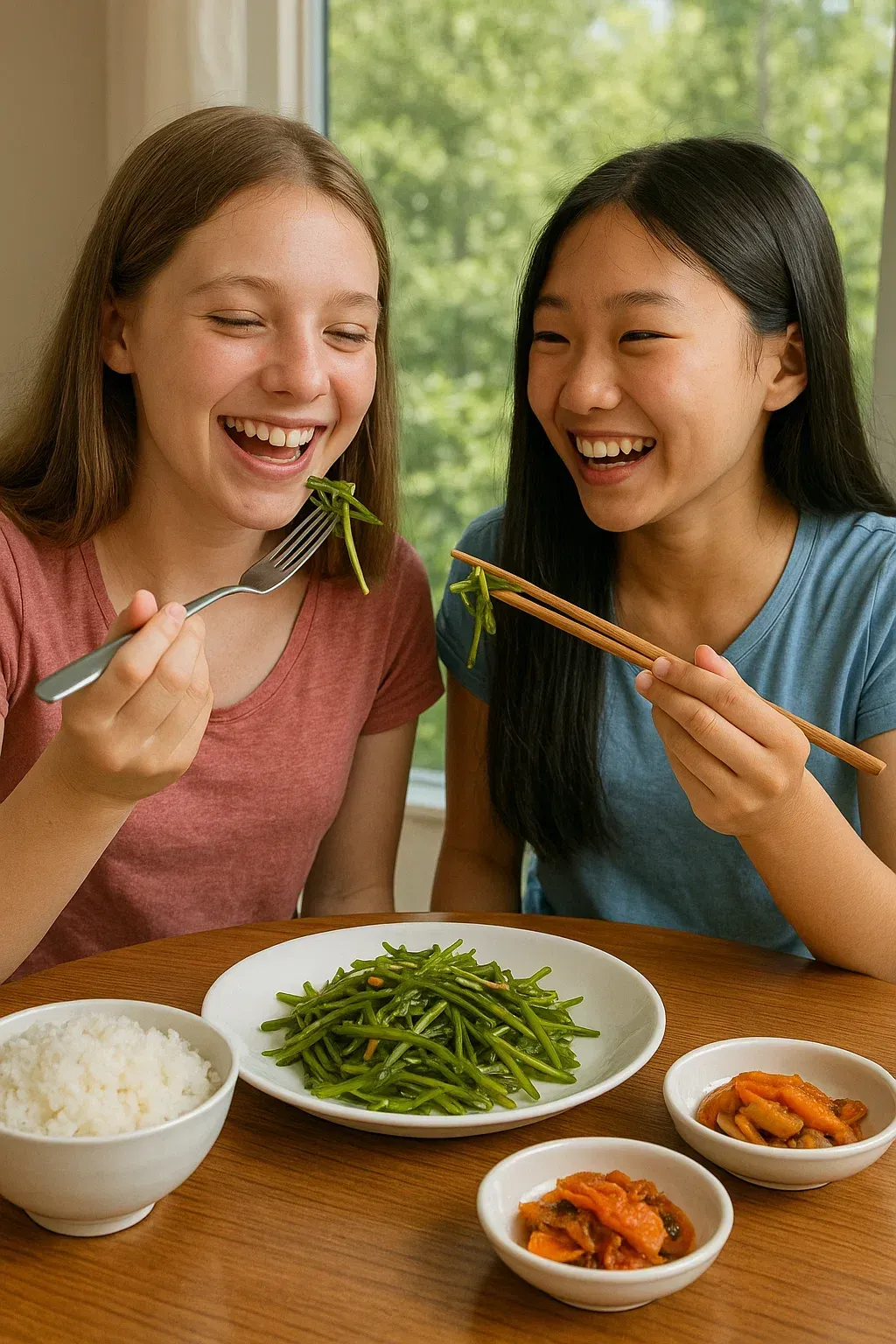
In Traditional Chinese Medicine (TCM), the most potent remedies are often found in seasonal greens that clear the stagnant energy of winter. Water Dropwort, known commonly as Minari in Korea or Shui Qin (水芹) in TCM, is a highly valued, leafy herb that embodies freshness, cooling, and swift action. As a nutritionist focusing on detoxification and hydration, I recognize this herb as an excellent seasonal food-medicine for clearing internal heat and promoting liver health.
By looka_production_177015429 October 30, 2025
In the pantheon of traditional food-herbs, few ingredients are as highly regarded for their foundational nourishing power as the Chinese Yam , known in Traditional Chinese Medicine (TCM) as Shan Yao (山药) . It is revered not for its dramatic, fast-acting effects, but for its gentle, long-term ability to build and stabilize the body's core systems. As a wellness expert, I recognize Shan Yao as an accessible and essential ingredient for supporting sustained energy, digestive harmony, and overall resilience.
By looka_production_177015429 October 29, 2025
While many medicinal herbs are roots or seeds, some of the most common wild edibles also hold significant therapeutic value. The young fiddleheads of the Bracken Fern , referred to simply as Jue (蕨) in historical Traditional Chinese Medicine (TCM) texts, have long been utilized as a food-medicine, valued particularly for their cooling and detoxifying properties. As a holistic health guide, I emphasize understanding the traditional role of wild foods like Jue in managing internal heat and promoting overall gut health.
By looka_production_177015429 October 28, 2025
Often overlooked in the West, the small, vibrant Adzuki Bean , known in Traditional Chinese Medicine (TCM) as Chi Xiao Dou (赤小豆) , is a revered medicinal food. It is not just a source of protein and fiber; it is a powerful therapeutic tool for managing fluid balance, detoxification, and internal dampness. As a wellness coach, I emphasize the role of diet in systemic health, and Chi Xiao Dou is a superb, gentle ally for anyone struggling with bloat, swelling, or sluggish digestion.
By looka_production_177015429 October 23, 2025
The sea, a source of life and nourishment, offers some of the most concentrated and mineral-rich ingredients in traditional diets. Among these, Kombu (Kun Bu, 昆布) and Ecklonia Cava (Gan Tai, 甘苔) —both types of powerful brown seaweed—have been utilized in Traditional Chinese Medicine (TCM) and Asian coastal communities for millennia. As a dietitian focused on nutrient density and glandular health, I highlight these sea vegetables for their exceptional mineral content and unique bioactive compounds.