The Lung’s Guardian: A Respiratory Expert's Guide to Platycodon Root (도라지)
When it comes to respiratory health in Traditional Chinese Medicine (TCM), one root stands above the rest for its ability to clear the chest and soothe the throat. Platycodon Root, commonly known as Balloon Flower Root or Jie Geng (桔梗), is a staple in both the herbal pharmacy and the kitchen (famous as Doraji in Korean cuisine). As a respiratory specialist, I view Jie Geng as a "guiding herb"—one that specifically directs the body's healing energy toward the lungs and throat
Opening the Gates: The Ventilating Power of Jie Geng
In TCM, Jie Geng is classified as bitter, pungent, and neutral. It primarily targets the Lung meridian. Its signature function is unique: it is said to "open and disseminate the Lung Qi." Think of it as a key that unlocks a congested chest, allowing trapped energy and fluids to move freely. It is the premier herb for benefiting the throat and expelling phlegm.
Scientifically, the magic of Platycodon lies in its high concentration of platycosides (triterpenoid saponins). These compounds act as natural expectorants, stimulating the secretion of mucus and making it thinner and easier to clear from the respiratory tract.
The Science-Backed Benefits of Platycodon (Jie Geng)
Modern research highlights why this root has been a first-line defense for respiratory ailments for centuries:\
- Powerful Expectorant and Mucus Relief: Jie Geng is exceptionally effective at breaking up thick, stubborn phlegm. The saponins increase the fluidity of respiratory secretions, which helps the body naturally expel congestion. This makes it a go-to remedy for chronic coughs and bronchial irritation.
- Soothing Sore Throats and Hoarseness: Because it directs its energy upward, Jie Geng is specifically used for throat disorders. It helps reduce inflammation in the pharynx, alleviating the pain of a sore throat and restoring the voice in cases of hoarseness or loss of voice due to wind-heat or dryness.
- Anti-Inflammatory and Immune Support: Modern studies suggest that the saponins in Platycodon have significant anti-inflammatory and anti-allergic properties. It helps soothe the lining of the respiratory tract, reducing the hyper-responsiveness that leads to coughing fits.
- A "Leading" Herb in Formulas: In TCM herbalism, Jie Geng is often used as a "carrier." It helps lift the effects of other medicinal herbs to the upper body (the Lungs and Throat), ensuring that the treatment reaches its intended destination more effectively.
Incorporating Jie Geng into Your Routine
Jie Geng is unique because it is both a potent medicine and a delicious culinary ingredient:
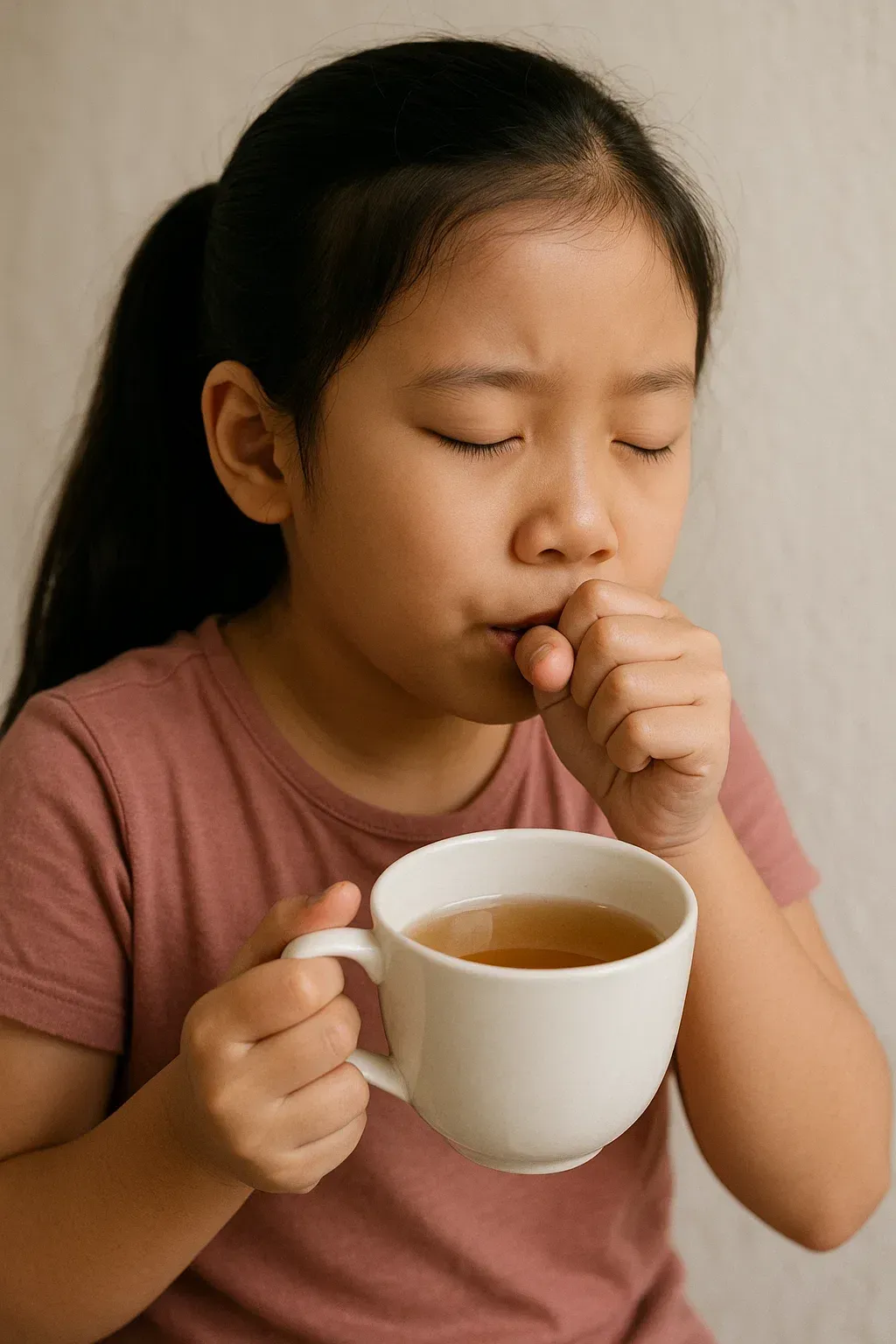
- Traditional Tea: Dried slices of the root can be simmered into a tea, often combined with honey or ginger, to soothe a dry cough or itchy throat.
- Culinary Use (Doraji): In Korean tradition, the fresh root is often julienned, salted, and sautéed as a side dish (Doraji Namul). This is an excellent example of "food as medicine," providing respiratory support through the daily diet.
- Extracts and Syrups: You will often find Jie Geng as a primary ingredient in natural cough syrups and throat lozenges due to its immediate soothing effect.
Important Cautions: Because Jie Geng has an "upward-moving" energy, it should be used with caution by those with chronic high blood pressure or those who have a tendency to cough up blood. As it is quite potent in moving Qi, it is best used for active congestion rather than as a long-term tonic for the weak. Always consult with a qualified health professional if you have chronic respiratory conditions.
Platycodon Root is a testament to nature's ability to provide targeted relief. By utilizing the ventilating and soothing power of Jie Geng, you can clear the path for easier breathing and a stronger, clearer voice.
-Dr. Chungmoo "John" Huh, DAcCHM, L.Ac., Dipl. OM -






From Forest Floor to Functional Food: A Holistic Guide to Bracken Fern (고사리) in Traditional Medicine