The Empress of Herbs: A Women's Health Expert's Guide to Angelica sinensis (당귀)

September 30, 2025

Throughout a woman's life, from monthly cycles to the profound shifts of menopause, maintaining hormonal balance and vibrant energy is key to well-being. While modern medicine offers many solutions, traditional herbs have long provided gentle yet powerful support. As a women's health expert, one herb I frequently highlight is Dong Quai (당귀), often revered as the "Empress of Herbs" in Traditional Chinese Medicine (TCM). Its name, translating to "return to order," beautifully encapsulates its historical role in restoring balance to women's bodies.

An Ancient Ally for Modern Women


For over two millennia, Dong Quai has been a cornerstone of TCM, specifically valued for its ability to nourish and invigorate "blood," regulate menstrual cycles, and ease discomfort. It's often likened to a natural multivitamin for women, addressing a wide range of concerns that impact hormonal health and vitality. Today, science is exploring how its complex array of active compounds, including ferulic acid, ligustilide, and polysaccharides, contribute to its storied reputation.


The Science-Backed Benefits of Dong Quai


Modern research is shedding light on how Dong Quai and its unique components can support women's health:


  • Hormonal Balance & Menstrual Comfort: Think of your hormones as a delicate symphony. When one instrument is out of tune, the whole performance suffers. Dong Quai is traditionally used to "regulate blood," which in TCM terms often relates to promoting healthy circulation and supporting the body's natural hormonal rhythms. Its compounds, particularly ligustilide, are studied for their potential to help modulate estrogen levels and ease menstrual discomfort like cramps and irregular cycles. It aims not to force a change, but to help the body find its natural rhythm.


  • Nourishing Blood & Boosting Energy: Many women, especially during their reproductive years, experience fatigue due to "blood deficiency" in TCM. This often correlates with modern concepts of iron deficiency or general exhaustion. Dong Quai is highly regarded for its ability to nourish the blood, supporting healthy red blood cell production and enhancing circulation. Improved blood flow means better oxygen and nutrient delivery throughout the body, leading to increased energy and reduced feelings of tiredness.


  • Supporting Menopausal Transition: As women approach menopause, hormonal fluctuations can bring uncomfortable symptoms like hot flashes and mood swings. While not a direct hormone replacement, Dong Quai is often used in herbal formulas to help smooth this transition. Its balancing effects on the endocrine system can help alleviate some menopausal symptoms, promoting greater comfort during this natural life stage.


  • Anti-inflammatory & Antioxidant Support: The ferulic acid in Dong Quai is a potent antioxidant and anti-inflammatory compound. These properties help protect cells from damage caused by free radicals and reduce systemic inflammation, contributing to overall health and well-being.


How to Incorporate Dong Quai into Your Routine


Dong Quai is a powerful herb best used under guidance, especially due to its traditional role in "moving blood."


  • Teas & Decoctions: The dried root can be simmered in water to make a medicinal tea.


  • Standardized Extracts/Supplements: These offer a convenient and consistent way to get the active compounds. Look for reputable brands that specify extract ratios.


  • Traditional Formulas: Dong Quai is often part of complex TCM formulas tailored to individual needs.


Important Cautions: Dong Quai can have blood-thinning effects. It should not be used by pregnant women, those on blood-thinning medications (like Warfarin), or before surgery. Always consult with a qualified healthcare practitioner, especially a TCM expert or a functional medicine doctor, before starting Dong Quai or any new herbal supplement.


Dong Quai offers women a time-honored path to support their unique physiological needs. By embracing this "Empress of Herbs," you can work towards greater balance, vitality, and comfort throughout every stage of life.


- Dr. Chungmoo "John" Huh DAcCHM, L.Ac, Dipl. OM -

By looka_production_177015429 December 9, 2025
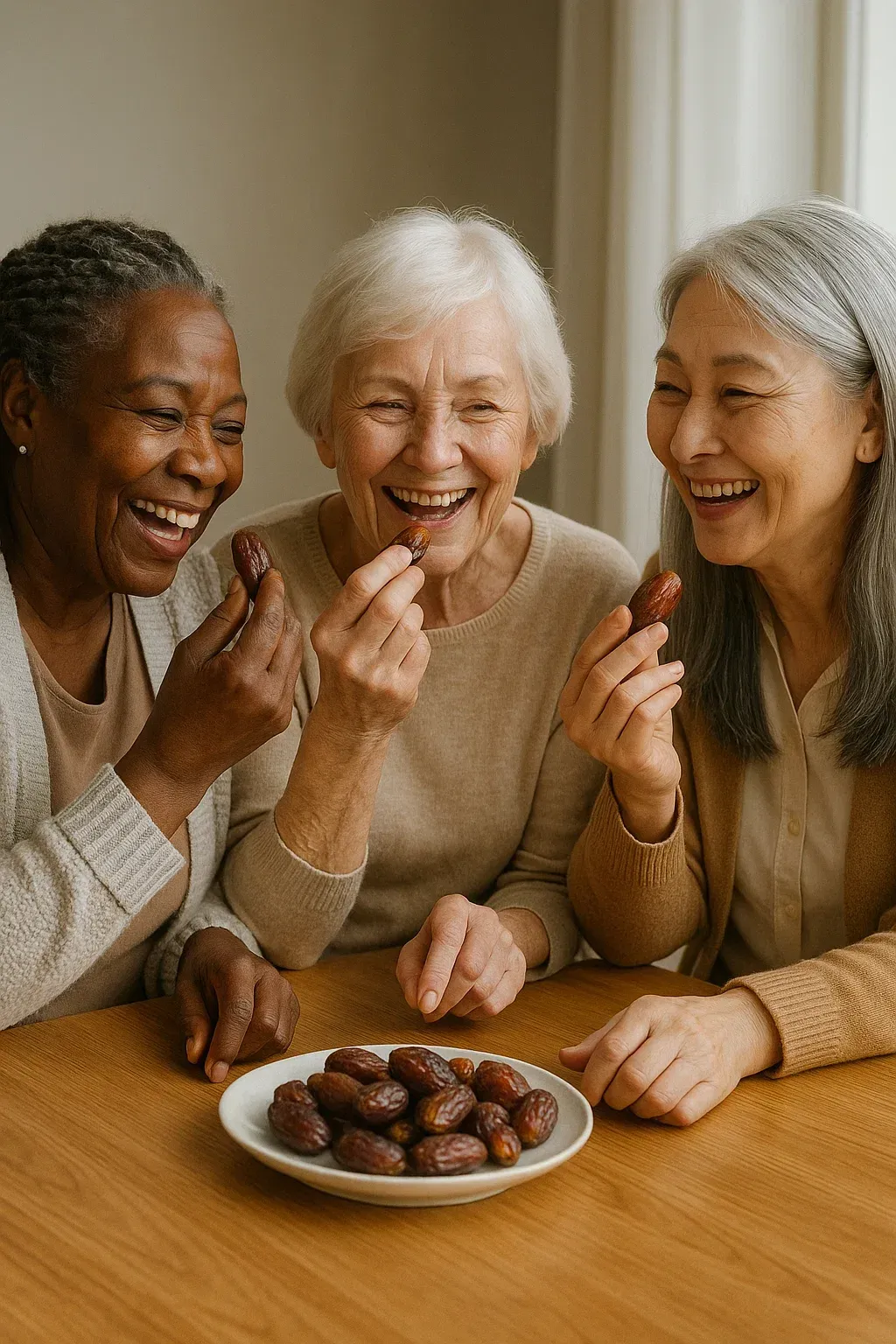
Among the simplest and most common ingredients, some possess profound medicinal efficacy. That is the case with the Jujube fruit , or Da Zao (大枣) . More than just a source of sweetness, the Jujube is essential in Traditional Chinese Medicine (TCM) for tonifying the Spleen and Stomach , boosting Qi (Vital Energy) , and acting as a necessary harmonizer to mellow the effects of other herbs. As an integrative nutritionist, I recommend Jujube as an ideal "food-medicine" to help manage chronic fatigue, poor digestion, and emotional restlessness.
By looka_production_177015429 December 8, 2025
In Traditional Chinese Medicine (TCM), moisture is synonymous with life, lubrication, and sustained vitality. When the body's internal fluids are depleted—often due to chronic illness, aging, or environmental dryness—it requires a profound Yin tonic. The tuber of the Ophiopogon Japonicas plant, known as Mai Men Dong (麦门冬) , is revered as the premier herb for replenishing and sustaining this essential internal moisture. As a respiratory specialist with an integrative focus, I frequently recommend this root for soothing dry lungs and fortifying the body against systemic dryness.
By looka_production_177015429 December 3, 2025
While many berries are celebrated for their Vitamin C, the Mulberry fruit , known in Traditional Chinese Medicine (TCM) as Sang Shen (桑椹) , is revered for a deeper, more profound quality: its ability to nourish the body’s fundamental essence and blood. As a longevity expert, I recognize this sweet, dark fruit as a powerhouse for supporting graceful aging, vitality, and blood health—a true traditional superfood.
By looka_production_177015429 November 24, 2025
In the array of traditional herbs, some plants possess a unique, deep warmth capable of penetrating and invigorating the body’s core energy. Mugwort , known in Traditional Chinese Medicine (TCM) as Ai Ye (艾叶) , is one such indispensable herb. It is revered not just for its medicinal tea but for its external application as well. As a women’s health specialist, I highlight Ai Ye for its exceptional ability to warm the channels, regulate menstruation, and promote systemic comfort.
November 10, 2025
While many herbs are tonics that build the body, others are essential for ensuring everything flows smoothly. The humble Radish , particularly its root and seeds, known in Traditional Chinese Medicine (TCM) as Luo Bo (萝卜) or Lai Fu Zi (莱菔子) for the seeds, is a prime example of a food-herb focused on regulating stagnation. As a dietitian, I frequently recommend incorporating this root for its exceptional ability to resolve food stagnation , aid digestion, and ensure metabolic efficiency.
By looka_production_177015429 November 5, 2025
While many herbs are used to cool and calm the body, some are prized for their warming, stimulating properties that restore energy and vitality—especially in the colder months or for conditions of internal coldness. Chinese Chives , known in Traditional Chinese Medicine (TCM) as Jiu Cai (韭菜) , are one such potent food-herb. As a functional medicine practitioner, I often highlight this herb for its deep warming action, digestive support, and ability to boost systemic vitality.
By looka_production_177015429 November 4, 2025
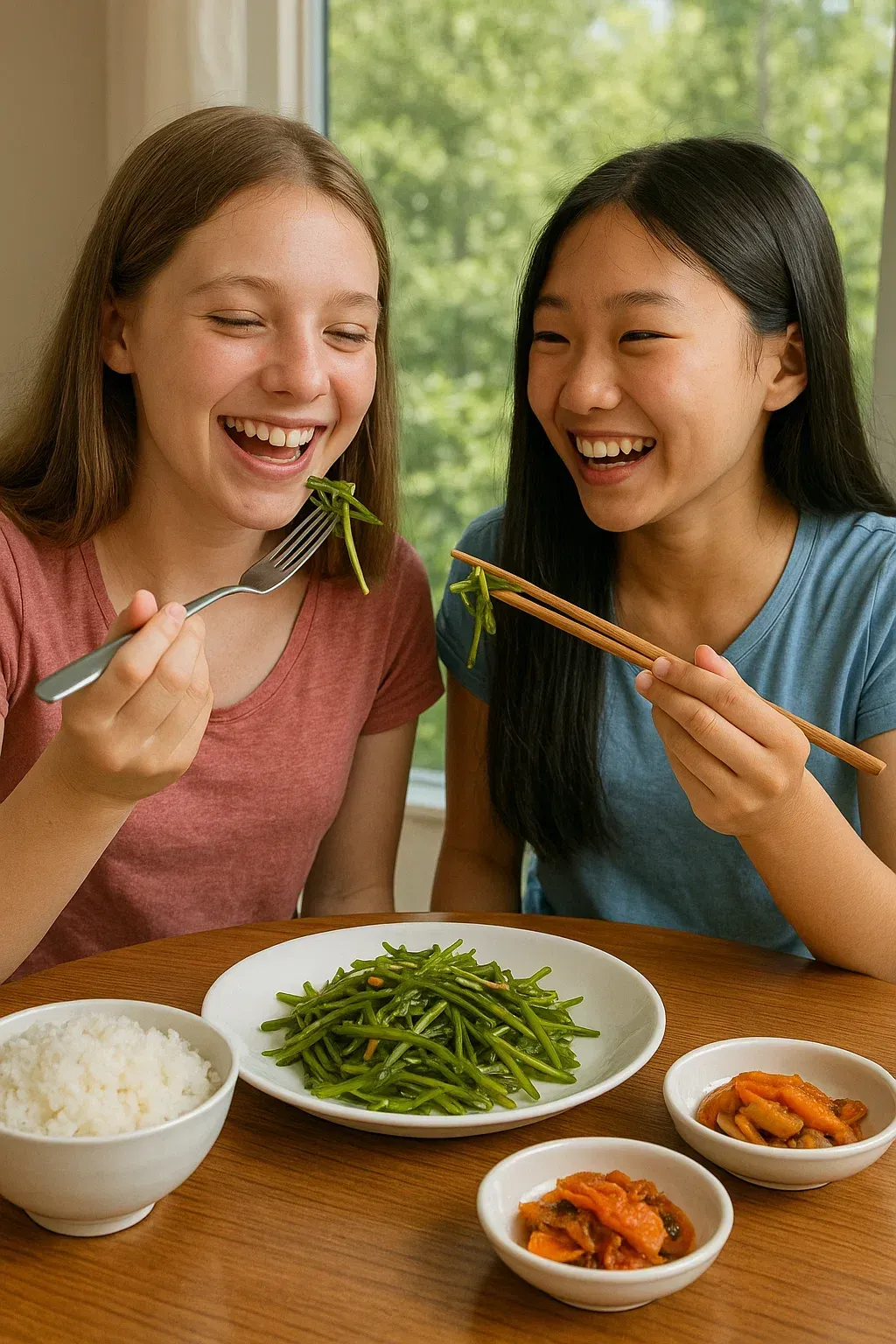
In Traditional Chinese Medicine (TCM), the most potent remedies are often found in seasonal greens that clear the stagnant energy of winter. Water Dropwort, known commonly as Minari in Korea or Shui Qin (水芹) in TCM, is a highly valued, leafy herb that embodies freshness, cooling, and swift action. As a nutritionist focusing on detoxification and hydration, I recognize this herb as an excellent seasonal food-medicine for clearing internal heat and promoting liver health.
By looka_production_177015429 October 30, 2025
In the pantheon of traditional food-herbs, few ingredients are as highly regarded for their foundational nourishing power as the Chinese Yam , known in Traditional Chinese Medicine (TCM) as Shan Yao (山药) . It is revered not for its dramatic, fast-acting effects, but for its gentle, long-term ability to build and stabilize the body's core systems. As a wellness expert, I recognize Shan Yao as an accessible and essential ingredient for supporting sustained energy, digestive harmony, and overall resilience.
By looka_production_177015429 October 29, 2025
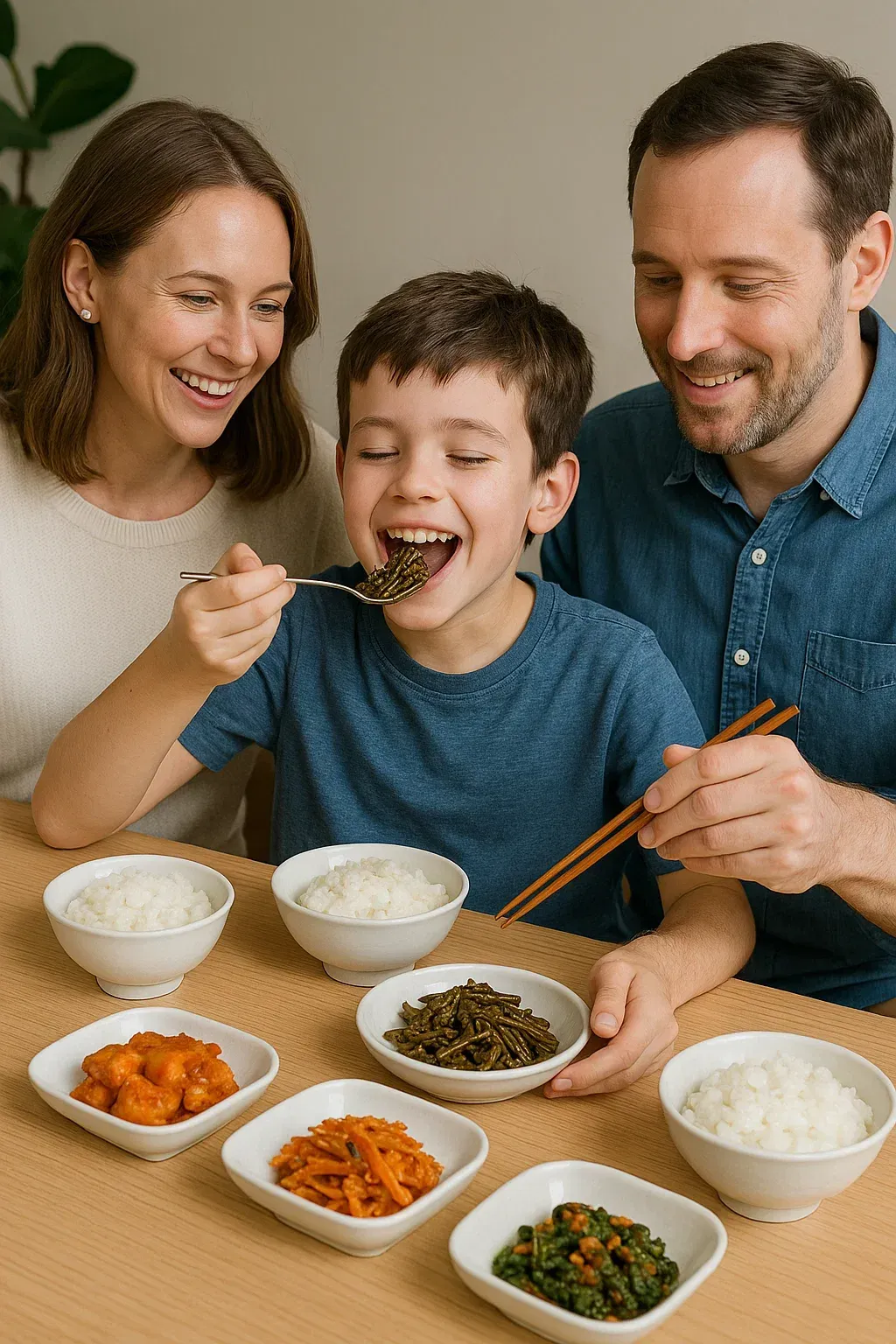
While many medicinal herbs are roots or seeds, some of the most common wild edibles also hold significant therapeutic value. The young fiddleheads of the Bracken Fern , referred to simply as Jue (蕨) in historical Traditional Chinese Medicine (TCM) texts, have long been utilized as a food-medicine, valued particularly for their cooling and detoxifying properties. As a holistic health guide, I emphasize understanding the traditional role of wild foods like Jue in managing internal heat and promoting overall gut health.
By looka_production_177015429 October 28, 2025
Often overlooked in the West, the small, vibrant Adzuki Bean , known in Traditional Chinese Medicine (TCM) as Chi Xiao Dou (赤小豆) , is a revered medicinal food. It is not just a source of protein and fiber; it is a powerful therapeutic tool for managing fluid balance, detoxification, and internal dampness. As a wellness coach, I emphasize the role of diet in systemic health, and Chi Xiao Dou is a superb, gentle ally for anyone struggling with bloat, swelling, or sluggish digestion.