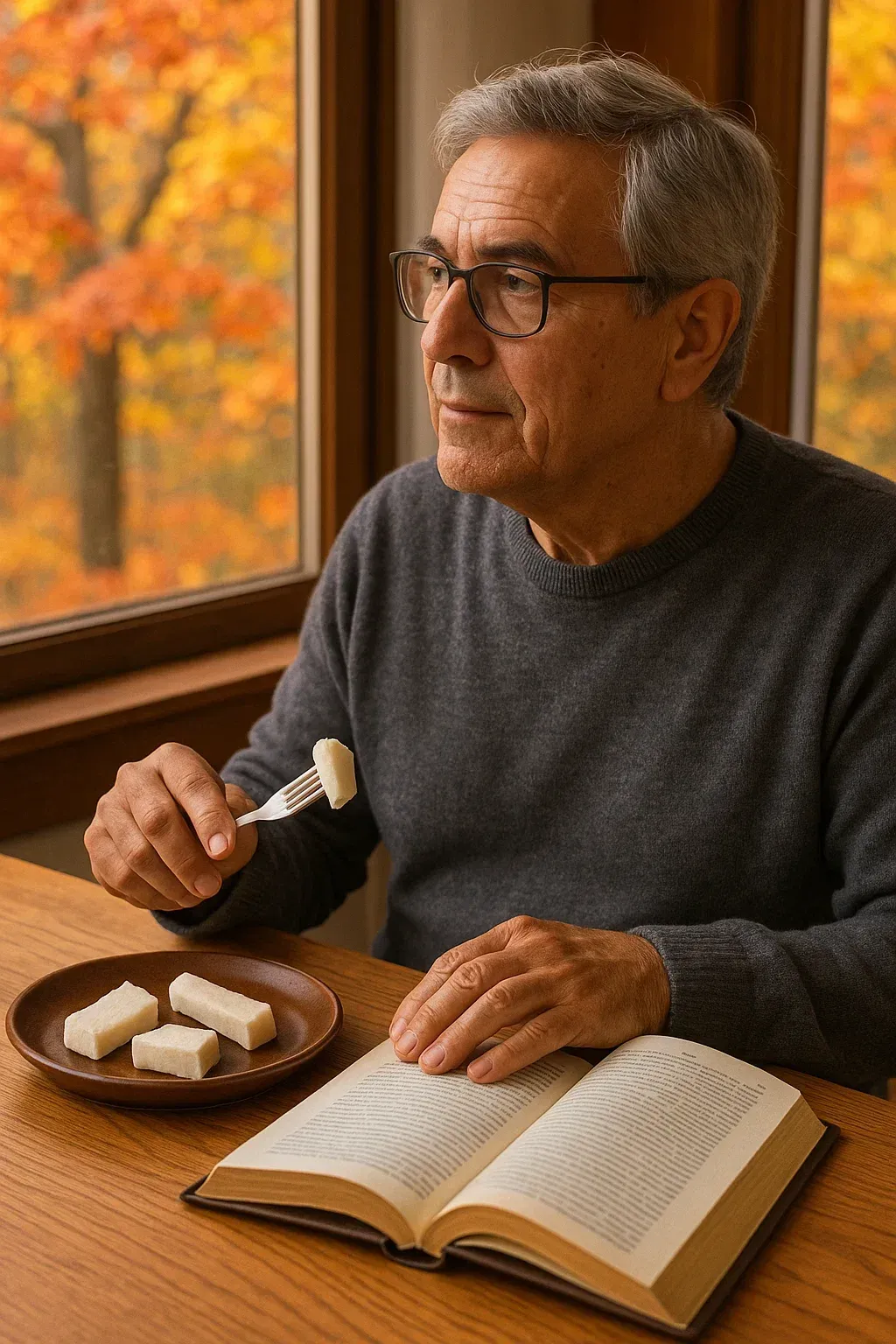
Tiny Seed, Mighty Power: A Wellness Expert's Guide to Sesame Seed (참깨) in Herbalism

October 13, 2025

Often relegated to a simple garnish, the humble sesame seed, particularly the black variety known as Hei Zhi Ma (黑芝麻) in Traditional Chinese Medicine (TCM), holds immense therapeutic value. More than just a source of oil, it is considered a foundational superfood for nourishing the body's essence. As a wellness expert, I recognize that true vitality starts with deep nourishment, and few common ingredients possess the deep tonifying power of this tiny seed.

Essence of Life: The Foundational Role of Hei Zhi Ma


In TCM, Hei Zhi Ma is classified as sweet and neutral, specifically targeting the Liver and Kidney meridians. These two organ systems are crucial, as they house the body's Jing (Essence) and govern the health of hair, bones, and vision. The traditional use of black sesame seeds centers on tonifying the Liver and Kidney Yin, enriching the blood, and moistening the intestines.


Modern science understands that black sesame seeds are nutritional powerhouses, rich in healthy fats (like sesame oil), lignans (sesamin and sesamolin), protein, fiber, and essential minerals like calcium, magnesium, and iron.


The Science-Backed Benefits of Black Sesame


Modern research supports the traditional reverence for Hei Zhi Ma, highlighting its crucial role in internal nourishment and external vitality:


  • Nourishing Hair and Skin: The high mineral and healthy fat content in black sesame seeds directly supports the TCM concept of "Essence" supporting external appearance. By nourishing the Liver and Kidneys, the seeds are believed to enrich the blood, which, in turn, helps prevent hair graying, reduce hair loss, and promote a lustrous, healthy complexion.


  • Bone Health and Mineral Support: Black sesame seeds are an exceptional, non-dairy source of calcium and magnesium. These minerals are vital for maintaining strong bone density, making Hei Zhi Ma a simple dietary ally against age-related bone loss and weakness, especially when combined with Vitamin D sources.


  • Intestinal Moisture and Gentle Regularity: Hei Zhi Ma is often used as a mild yet effective remedy for dryness and constipation. The rich oil content acts as a natural lubricant for the intestines, gently promoting regularity and ensuring smooth elimination. This function is key for clearing internal heat and toxins, contributing to overall well-being.


  • Potent Antioxidant Protection: The unique lignans (sesamin and sesamolin) are powerful antioxidants. They help combat oxidative stress throughout the body, particularly in the liver, supporting detoxification processes and contributing to long-term cellular health.


How to Incorporate Hei Zhi Ma into Your Diet


Integrating Hei Zhi Ma into your daily routine is easy, but proper preparation is essential for nutrient absorption:


  • Grind It: The seeds have a hard outer shell, so they must be ground or chewed thoroughly to break down the shell and release the beneficial oils and nutrients. A mortar and pestle or spice grinder works perfectly.


  • As a Food Topping: Sprinkle ground seeds over yogurt, oatmeal, salads, or blend into smoothies.


  • Black Sesame Paste: This rich, nutrient-dense paste (similar to tahini) can be used in savory sauces or sweet desserts.


Important Cautions: While generally very safe, individuals with a known sesame allergy must avoid them. As with any high-fiber food, consume in moderation initially to allow your digestive system to adjust.


By making the small addition of Hei Zhi Ma to your diet, you are embracing a simple, time-honored practice of deep nourishment, supporting your vitality from the inside out.


- Dr. Chungmoo "John" Huh, DAcCHM, L.Ac, Dipl. OM -
By looka_production_177015429 December 9, 2025
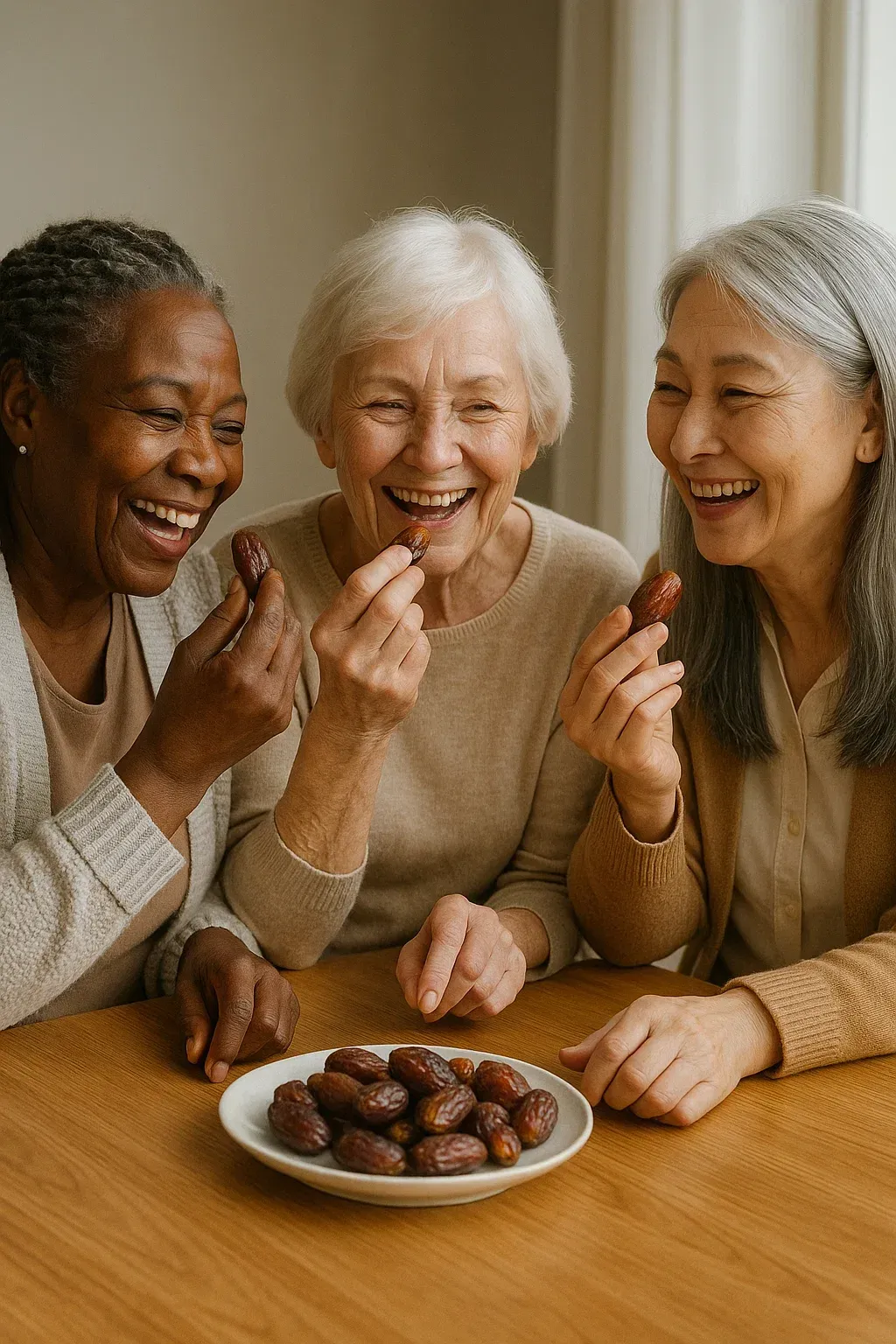
Among the simplest and most common ingredients, some possess profound medicinal efficacy. That is the case with the Jujube fruit , or Da Zao (大枣) . More than just a source of sweetness, the Jujube is essential in Traditional Chinese Medicine (TCM) for tonifying the Spleen and Stomach , boosting Qi (Vital Energy) , and acting as a necessary harmonizer to mellow the effects of other herbs. As an integrative nutritionist, I recommend Jujube as an ideal "food-medicine" to help manage chronic fatigue, poor digestion, and emotional restlessness.
By looka_production_177015429 December 8, 2025
In Traditional Chinese Medicine (TCM), moisture is synonymous with life, lubrication, and sustained vitality. When the body's internal fluids are depleted—often due to chronic illness, aging, or environmental dryness—it requires a profound Yin tonic. The tuber of the Ophiopogon Japonicas plant, known as Mai Men Dong (麦门冬) , is revered as the premier herb for replenishing and sustaining this essential internal moisture. As a respiratory specialist with an integrative focus, I frequently recommend this root for soothing dry lungs and fortifying the body against systemic dryness.
By looka_production_177015429 December 3, 2025
While many berries are celebrated for their Vitamin C, the Mulberry fruit , known in Traditional Chinese Medicine (TCM) as Sang Shen (桑椹) , is revered for a deeper, more profound quality: its ability to nourish the body’s fundamental essence and blood. As a longevity expert, I recognize this sweet, dark fruit as a powerhouse for supporting graceful aging, vitality, and blood health—a true traditional superfood.
By looka_production_177015429 November 24, 2025
In the array of traditional herbs, some plants possess a unique, deep warmth capable of penetrating and invigorating the body’s core energy. Mugwort , known in Traditional Chinese Medicine (TCM) as Ai Ye (艾叶) , is one such indispensable herb. It is revered not just for its medicinal tea but for its external application as well. As a women’s health specialist, I highlight Ai Ye for its exceptional ability to warm the channels, regulate menstruation, and promote systemic comfort.
November 10, 2025
While many herbs are tonics that build the body, others are essential for ensuring everything flows smoothly. The humble Radish , particularly its root and seeds, known in Traditional Chinese Medicine (TCM) as Luo Bo (萝卜) or Lai Fu Zi (莱菔子) for the seeds, is a prime example of a food-herb focused on regulating stagnation. As a dietitian, I frequently recommend incorporating this root for its exceptional ability to resolve food stagnation , aid digestion, and ensure metabolic efficiency.
By looka_production_177015429 November 5, 2025
While many herbs are used to cool and calm the body, some are prized for their warming, stimulating properties that restore energy and vitality—especially in the colder months or for conditions of internal coldness. Chinese Chives , known in Traditional Chinese Medicine (TCM) as Jiu Cai (韭菜) , are one such potent food-herb. As a functional medicine practitioner, I often highlight this herb for its deep warming action, digestive support, and ability to boost systemic vitality.
By looka_production_177015429 November 4, 2025
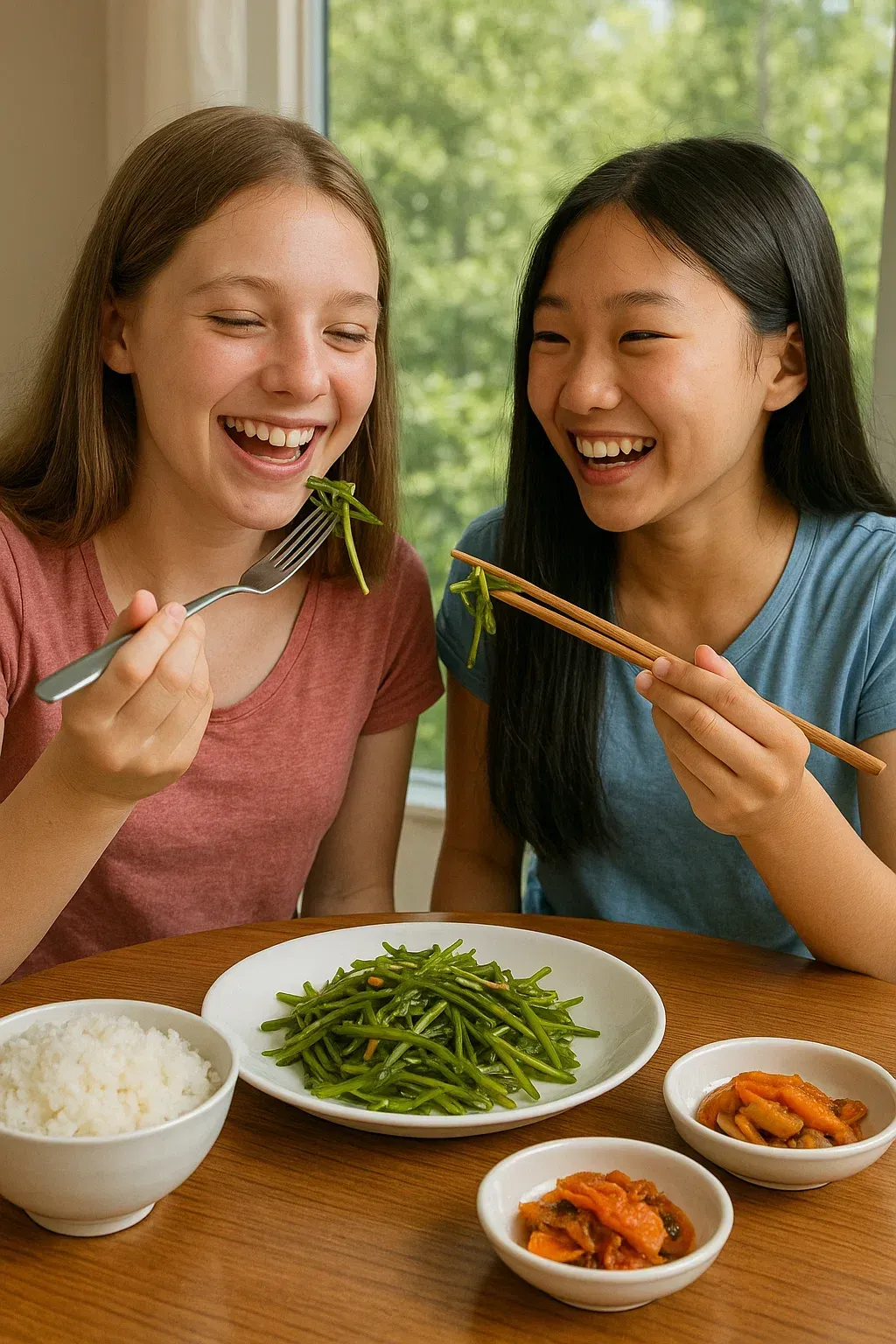
In Traditional Chinese Medicine (TCM), the most potent remedies are often found in seasonal greens that clear the stagnant energy of winter. Water Dropwort, known commonly as Minari in Korea or Shui Qin (水芹) in TCM, is a highly valued, leafy herb that embodies freshness, cooling, and swift action. As a nutritionist focusing on detoxification and hydration, I recognize this herb as an excellent seasonal food-medicine for clearing internal heat and promoting liver health.
By looka_production_177015429 October 30, 2025
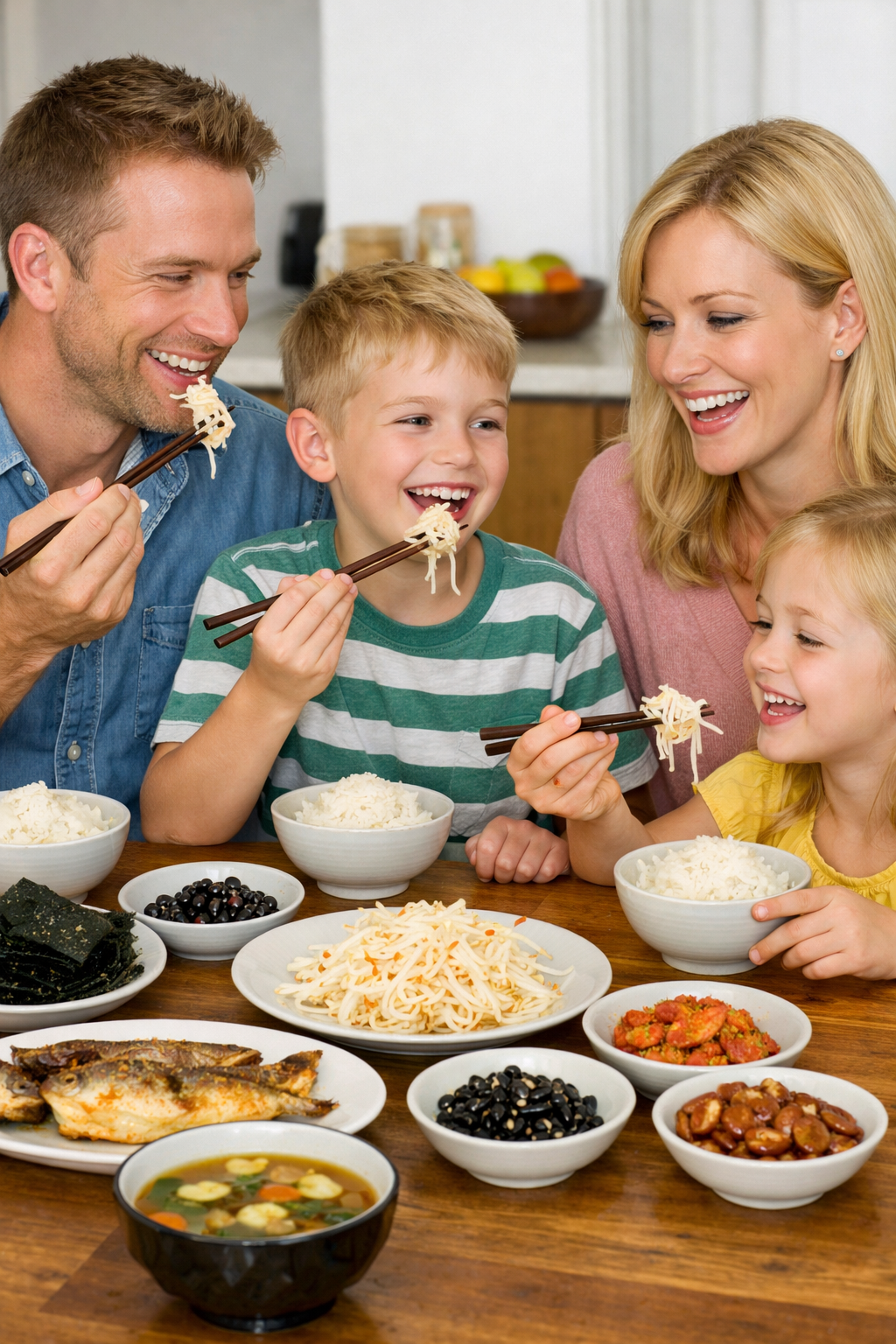
In the pantheon of traditional food-herbs, few ingredients are as highly regarded for their foundational nourishing power as the Chinese Yam , known in Traditional Chinese Medicine (TCM) as Shan Yao (山药) . It is revered not for its dramatic, fast-acting effects, but for its gentle, long-term ability to build and stabilize the body's core systems. As a wellness expert, I recognize Shan Yao as an accessible and essential ingredient for supporting sustained energy, digestive harmony, and overall resilience.
By looka_production_177015429 October 29, 2025
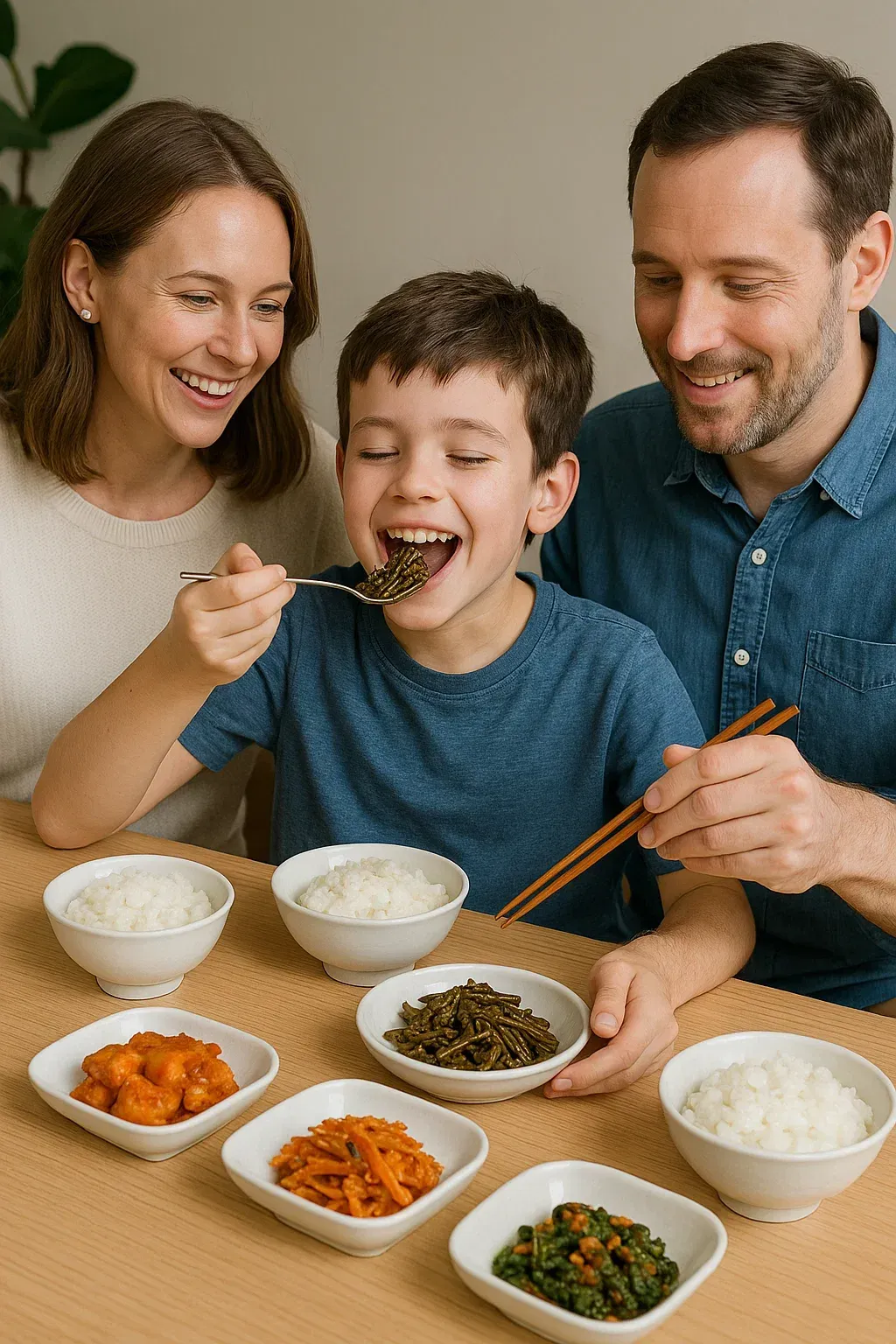
While many medicinal herbs are roots or seeds, some of the most common wild edibles also hold significant therapeutic value. The young fiddleheads of the Bracken Fern , referred to simply as Jue (蕨) in historical Traditional Chinese Medicine (TCM) texts, have long been utilized as a food-medicine, valued particularly for their cooling and detoxifying properties. As a holistic health guide, I emphasize understanding the traditional role of wild foods like Jue in managing internal heat and promoting overall gut health.
By looka_production_177015429 October 28, 2025
Often overlooked in the West, the small, vibrant Adzuki Bean , known in Traditional Chinese Medicine (TCM) as Chi Xiao Dou (赤小豆) , is a revered medicinal food. It is not just a source of protein and fiber; it is a powerful therapeutic tool for managing fluid balance, detoxification, and internal dampness. As a wellness coach, I emphasize the role of diet in systemic health, and Chi Xiao Dou is a superb, gentle ally for anyone struggling with bloat, swelling, or sluggish digestion.